Children have been used to pick ingredients for suppliers of major beauty brands, L'Oréal and Estée Lauder. But how will customers react?
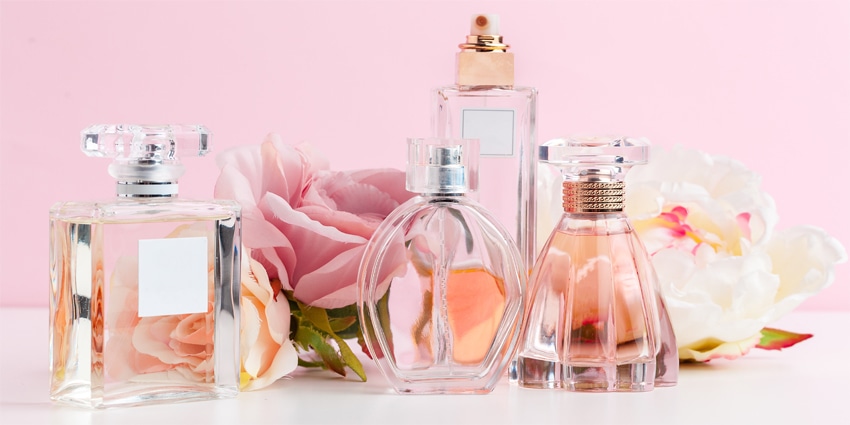
Reported by BBC earlier this week, the news provider’s investigation revealed that jasmine used by Lancôme and Aerin Beauty – subsidiaries of L'Oréal and Estée Lauder respectively – was picked by minors.
With approximately half of the world’s jasmine flowers produced in Egypt, the BBC spoke to industry insiders in the country who claimed that companies that own luxury brands are tightening budgets and lowering pay, forcing Egyptian pickers to involve their children.
While all the brands mentioned in the report state that they have a zero tolerance policy on child labour, the investigation recorded evidence of one picker who was helped by her four children.
Following a full shift where the family collected 1.5kg of jasmine flowers, they were left with an estimated £1.18, after paying a third of the earnings to the landowner – a typical agreement for independent pickers in the area.
On viewing the investigation’s evidence, Tomoya Obokata – The UN Special Rapporteur on contemporary forms of slavery – questioned the authenticity of the brands’ zero tolerance child labour stances, commenting:
On paper, they [the industry] are promising so many good things, like supply chain transparency and the fight against child labour. Looking at this footage, they are not actually doing things that they promised to do.
While the news has drawn plenty of criticism and condemnation, it will be interesting to see the response from customers who, now more than ever, expect strong ethical practices and stances from their brands.
Boycott or Blow Over?
While L'Oréal and Estée Lauder are the latest high-profile brands to get caught up in a child labour scandal, they are far from the first.
Nestle, Apple, Samsung, Sony, and Hershey are just some of the names that have been accused of benefiting from child labour in the last 10 years.
Yet, despite plenty of finger wagging and disapproving shakes of the head, there does not appear to have been any significant customer backlash, with each of the brands still amongst the most successful in their sectors.
One example that does appear to buck the trend, however, is online fashion retailer Boohoo. Back in 2020, the company was accused of modern slavery, when a Sunday Times investigation revealed that it had been paying some of its UK factory workers £3.50 per hour – over £5 less than minimum wage at the time.
The fallout of this scandal resulted in several investors and partners cutting ties with the company, which has seen its share price drop dramatically, from roughly 400p at the time the news broke to currently hovering at around 35p.
While it would be unfair to attribute all of the losses to the scandal, it did and continues to play a significant part, with it being reported late last year that the company was the subject of a £100m lawsuit from some of its investors due to the allegations of modern slavery, which erased over £1bn from the retailer’s value.
Interestingly, although Booho’s unethical business practices have negatively impacted the business financially, it does not appear to have driven away customers. Indeed, a Statista report revealed that between 2020 (the year the modern slavery news broke) and 2023, Boohoo’s customer base grew by over four million.
The evidence from Boohoo and other brands who have experienced similar scandals suggests that generally there isn’t a knock-on effect in terms of customer reactions or backlash.
But will this change in a climate where customers are more selective and considerate of the brands that they do business with?
Customer Experience and Brand Ethics
Currently, the scrutiny surrounding brands and businesses has never been higher. Not only are customers expecting companies to take strong moral and ethical stands, but with customer satisfaction at an all-time-low and loyalty plummeting, consumers are more than happy to go elsewhere if they are dissatisfied.
Moreover, customers are now shrewder when it comes to tokenism and empty gestures.
They want authenticity from their brands, not hypocrisy – something that Brewdog found out to their cost, when customers discovered that the brewery had signed a distribution deal with Qatar during the 2022 Men’s Football World Cup, despite running a campaign critiquing the country’s human rights record.
The need for brands to legitimately “stand for something” was discussed by Abdul Khaled – Head of Digital, CX and Digital Products for E.ON Next: