Workforce management is moving beyond schedules, forecasts, and adherence metrics into a broader effort to reduce friction across the entire employee lifecycle.
AI is increasingly being positioned as the layer that connects hiring, onboarding, internal support, knowledge access, engagement, and everyday task completion, often through the channels employees already use rather than another portal to navigate.
For CX leaders, faster hiring and onboarding can ease staffing gaps; better access to knowledge and internal services can protect productive time; and more continuous employee feedback can expose the operational issues that drive attrition, inconsistent service, and customer effort.
But the differentiator will not be simply deploying conversational AI. Organizations need reliable workflows, high-quality knowledge, clear escalation routes, thoughtful governance, and role-specific training so employees know when to trust AI and when to apply human judgment.
The emerging WFM battleground is therefore employee experience as an operational capability. Leaders should look beyond automation-volume claims and ask whether new tools measurably improve time to proficiency, employee effort, quality, retention, and customer outcomes.
They should also watch competitors’ ability to make work easier for dispersed, frontline, multilingual, and shift-based teams, where friction is often highest and the CX consequences are most immediate.
ServiceNow EmployeeWorks Cuts INRY Request Times by 60%
INRY has replaced its legacy employee portal with ServiceNow EmployeeWorks to create a single conversational AI interface for work.
Introduced in just six weeks, this enhanced partnership allows employees to ask for help, initiate requests, retrieve knowledge, and complete tasks across popular systems such as Teams and SharePoint.
Currently, INRY is reporting a 60% reduction in median self-service allocation-request submission time, 97% request completion, and sustained internal satisfaction.
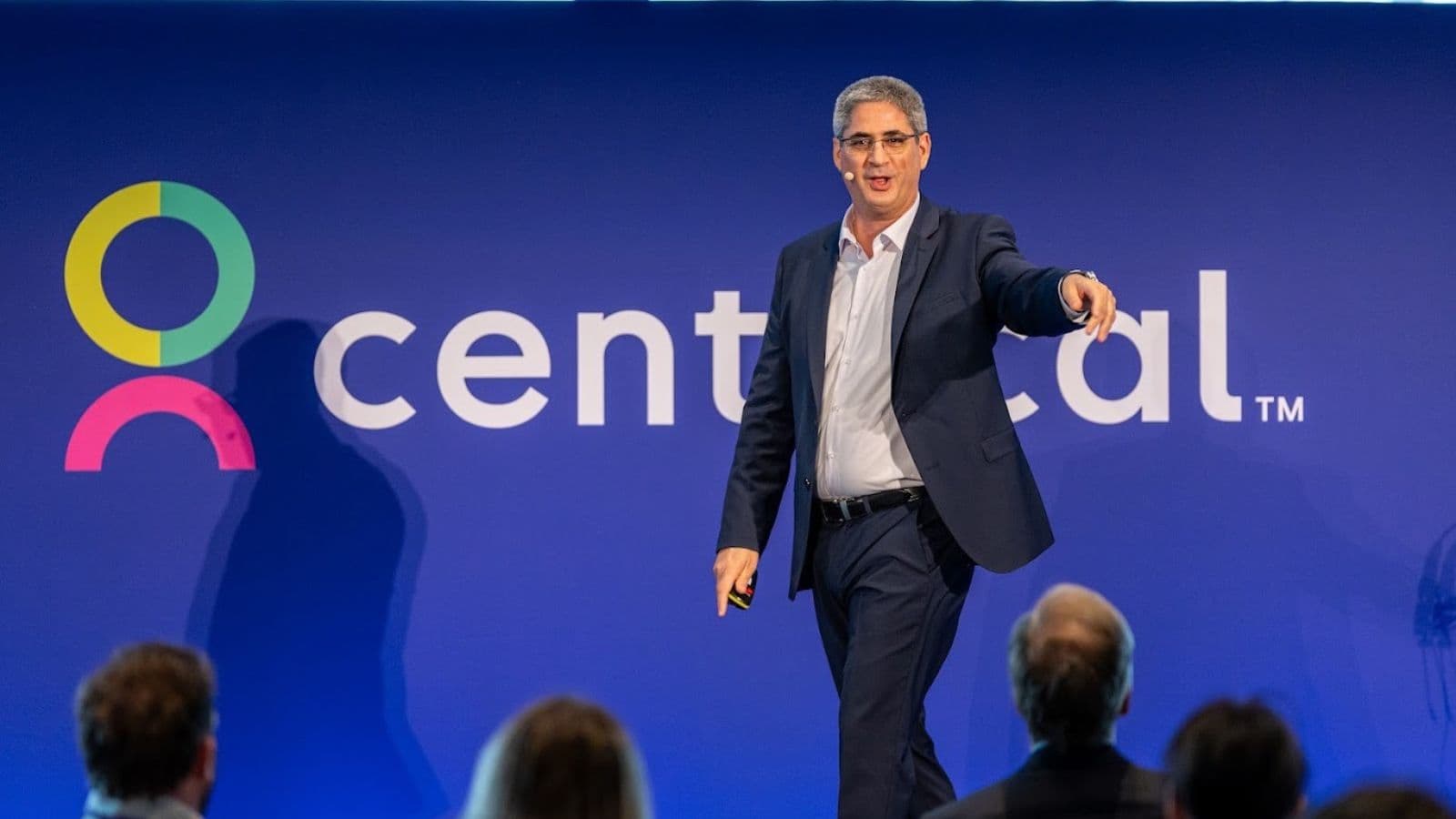
Paul Fipps, president of global customer operations at ServiceNow, explained th\t AI is resetting expectations for speed, with employees now expecting answers and completed work in a fraction of the time required by traditional portals and fragmented processes.
“AI is upending customer expectations when it comes to time to value,” he said.
"That’s the new expectation. And when a partner can show a customer what the platform did for their own employees, the conversation changes.”
For WFM, these results reframe employee engagement into an integrated experience layer that combines conversational interaction, workflow orchestration, automation, enterprise permissions, and proactive alerts.
In effect, it turns the employee’s intent into an executed, governed workflow to stop employee friction from becoming customer friction.
When frontline and support employees must search multiple systems and wait on internal tickets or approvals, they have less time and context for customers and often show up in effort and service quality.
A unified AI work layer can remove operational drag before it reaches the customer.
For CX and WFM leaders, workforce optimization has been expanded from forecasting demand and scheduling labor to account for the digital friction surrounding employees during the workday.
If routine internal requests are completed faster and knowledge is easier to access, leaders may see gains in productive time, agent experience, speed to proficiency, and consistency.
However, a conversational front door is only as useful as the workflows and controls behind it.
To ensure this, CX leaders should prioritize high-volume, high-friction employee journeys first before introducing a conversational front door, ensuring that AI requests are auditable, secure, and connected to human support when automation cannot resolve the issue.
Twilio Helps Orbio AI Bring Conversational Hiring to Frontline Workers
On Wednesday, Orbio AI announced it was scaling an AI-native HR platform for frontline workforces through Twilio’s global voice and messaging infrastructure.
Through its partnership, Orbio's conversational agents have already supported more than 20 million conversations and reached over five million candidates in 30+ countries via voice, SMS, WhatsApp, and RCS.
Antonio Melé, co-founder and CTO at Orbio AI, explained why employee experience needs to match CX expectations.
"Hiring, onboarding and workforce management should move at the speed people communicate," he said.