the voice of customer experience technology
Front page
NewsCX Trust1h · 12:01 BST · 6 min read

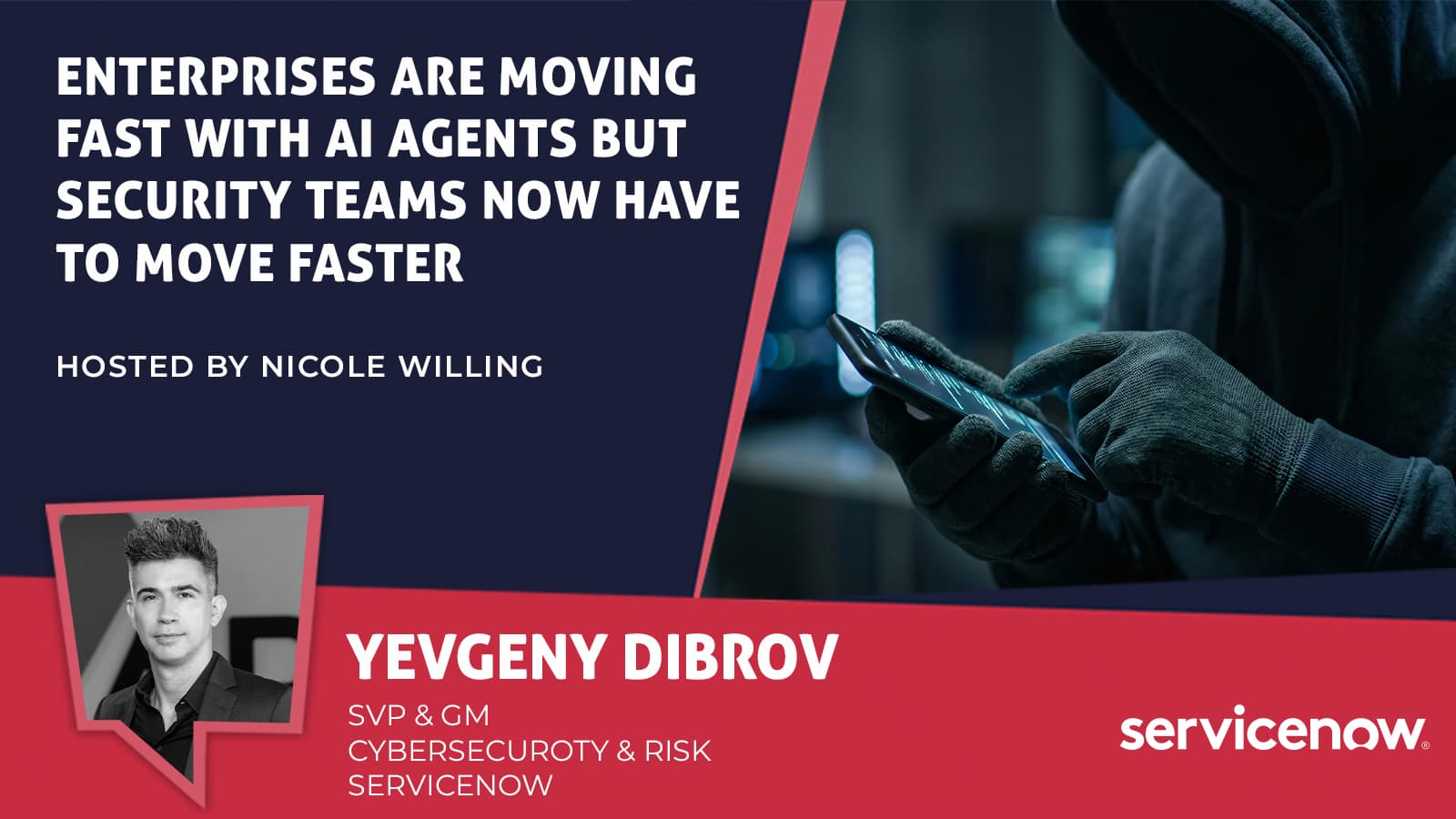
Who Controls the Agents? JPMorgan and NVIDIA Tackle AI Security Risks

This week’s security news highlights the growing gap between agentic AI adoption and AI assurance. Meanwhile, ransomware threats are becoming more personal, stolen financial credentials are climbing, and retail remains exposed to complex cyber risks.

Balanced wooden sculpture with icons of industry security finance and growth.

I think one of the most important security questions facing enterprises right now is how much authority they are prepared to give AI agents, especially when those agents can interact with customer data and business critical applications. While U.S. bank JPMorgan Chase’s Q3 profit miss got the mainstream headline, it was CEO Jamie Dimon’s comments on the earnings call drawing a line on the risk of external AI agents that caught my attention.

Speaking during the bank’s earnings call, Dimon said JPMorgan already uses agents internally and intends to deploy them for customers where they improve service. But he was clear that the bank would not allow external agents within its environment, citing the risks to customers and the institution.

"There is a defensive side, which is you gotta make sure our customers are not hurt by it… think of that as an AI agenda concern, which is heightened because you do not want rogue agents, and there could be thousands of them.”

“We have to make sure we protect our customer in the right kind of way… We are building tools to do that too. In the meantime, we are not gonna allow just any… outside agent to come inside the company because it is just too risky for clients and for JPMorgan.”

Dimon’s comments offer a useful reality check: organizations may see considerable value in agentic AI, but that does not mean they should allow every agent through the door. It’s an increasingly relevant concerns as consumers and businesses experiment with personal AI assistants capable of taking actions on their behalf, potentially across multiple providers and platforms.

Even without AI agents in the mix, there have been multiple incidents in recent days emphasizing the ever-present risks to enterprises and customers.

Retail Breach Watch: ASOS, TFG and H&M

Retail cybersecurity risk remains in focus following recent incidents involving ASOS, The Foschini Group (TFG) and H&M highlighting the exposure created by retailers’ customer-facing platforms and interconnected supply chains.

The Foschini Group’s U.K. subsidiary, TFG London, disclosed a cyber incident on October 11 affecting IT systems used by Phase Eight, Hobbs and Whistles, disrupting some website functions and online orders while physical stores remained open. Meanwhile, H&M investigated claims of a potential cyber incident, but subsequently said website disruption was caused by routine maintenance and was unrelated to external interference.

According to Voldemaras Kadys, Head of Security and Platform Engineering at Mediatech, the digital publishing house behind Cybernews, large retailers tend to attract more attention from cyberattackers for two reasons. “Retailers hold valuable customer data, which can be reused in secondary attacks. Also, any incident involving a larger retailer draws more public attention than more isolated attacks.”

The answer lies in the basics, Kadys said. “Defense in depth, zero trust and the principle of least privilege remain essential. They help control the attack surface and limit the impact when a breach does happen.”

The commercial stakes are high: customer trust, service continuity and the ability to process transactions during an incident.

“Digital resilience will become more important than classic security controls alone,” Kadys warned.

“You have to assume an incident will happen and be prepared ahead of time, to avoid the most damage.”

Nvidia Commits $250M to UK Agentic AI Safety Research

Maintaining customer trust will depend on more than setting boundaries around AI agents; organisations also need reliable ways to test their safety and security before handing them greater responsibility.

To that end, NVIDIA is putting significant resources behind efforts to make agentic systems safer, committing $250MN in compute access over five years to support U.K. research into agentic safety and security.

The commitment equates to $50MN annually and will support research across the U.K. AI safety and security community, including the British Open-Ended Learning and Discovery Lab (BOLD) at the University of Oxford, SOFAIR at University College London and Imperial College London’s Frontier AI Research Lab. U.K.-based cloud partners will also contribute to the initiative.

Research areas include secure AI agents, open-model security, robotics safety, real-world threat mitigation, secure sandboxes and safety benchmarks.

The funding arrives as organizations explore autonomous AI capabilities that create new opportunities for automation but also introduce risks when agents encounter malicious inputs, access sensitive resources or behave in unexpected ways.

Chainguard Targets AI Coding Agent Security

The risks associated with agentic AI extend into software development, where coding assistants can access repositories, dependencies, development environments and, in some cases, credentials or pathways into production systems.

Chainguard this week announced a collection of tools designed to strengthen security around AI-assisted development.

Chainguard Workspaces isolates developers and AI agents in microvirtual machines, limiting access to local credentials and production pathways. It also records activity, including commands, file changes and network calls, creating an evidence trail for security teams. Chainguard MCP provides agents with verified package and dependency information, while enforcing security policies at the server level rather than relying on instructions supplied through prompts.

Meanwhile, Chainguard Harness uses AI to investigate potentially exploitable vulnerabilities in isolated application copies and generate reproducible reports. Chainguard Checks adds signed attestations to security checks in continuous integration pipelines, linking the environment, results and code commit.

Together, the launches address a growing challenge for development and security teams in that AI agents can accelerate coding, but their access and actions need to remain controlled and observable.

Ransomware Threats Become More Personal

Ransomware response planning also needs to account for threats that extend beyond data encryption and financial extortion, according to Semperis’ 2026 ransomware report.

The company found that 84 percent of surveyed ransomware victims reported attackers using AI. Identity systems were targeted in 87 percent of attacks, while almost three-quarters of successful attacks targeted or exploited identity infrastructure.

The findings point to the importance of identity security during ransomware incidents. Attackers who compromise identity systems may be able to expand access, disrupt recovery and undermine the accounts organisations depend on to restore normal operations.

The report also highlights a more disturbing development, as 40 percent of respondents reported psychological or physical threats against staff. Some 24 percent said victims or their family members had been swatted, while a similar proportion had hired personal security.

It’s clear organizations need to test identity recovery alongside conventional backup restoration, establish alternative communication channels and include executive protection and employee safety in incident-response planning.

In Brief

This week’s developments also highlight how credential theft, regulatory uncertainty and data sovereignty are shaping the security decisions facing financial services and AI providers.

  • Credential theft remains a significant risk for financial institutions, with new research from Flare finding a 56.3 percent annual increase in stolen financial services and banking credentials shared on criminal forums between September 2025 and August 2026.

  • A regulatory divide emerged at a U.K. parliamentary hearing on AI safety this week, with OpenAI and Anthropic backing legally binding safety rules while Google DeepMind and Meta favoured existing frameworks. The session assessed proposals for independent pre-release testing and mandatory reporting of serious AI incidents, alongside concerns over whether the U.K. has sufficient powers to address emerging risks.

  • Singaporean bank UOB signed an agreement with AWS to keep systems and customer data in an isolated cloud environment to serve the ASEAN region (Singapore, Malaysia, Thailand, Indonesia and Vietnam). The proposed hybrid model would provide access to AWS capabilities for AI and customer data analytics.

The Bigger Picture: AI Authority and Identity Security

The common thread across this week’s stories is control over digital access and activity. The opportunity presented by agentic AI is substantial, but the security model has to account for the consequences of autonomous action. Organizations that establish clear boundaries, verify activity and plan for failure will be better placed to adopt these tools without giving attackers new opportunities to exploit.

rate this story
helps rank stories across CX Today
The discussion0 takes · attributed & checked

Does this reflect your experience?

opening the room…
Read nextordered by techtelligence · every pick explained
same beat · CX Trust

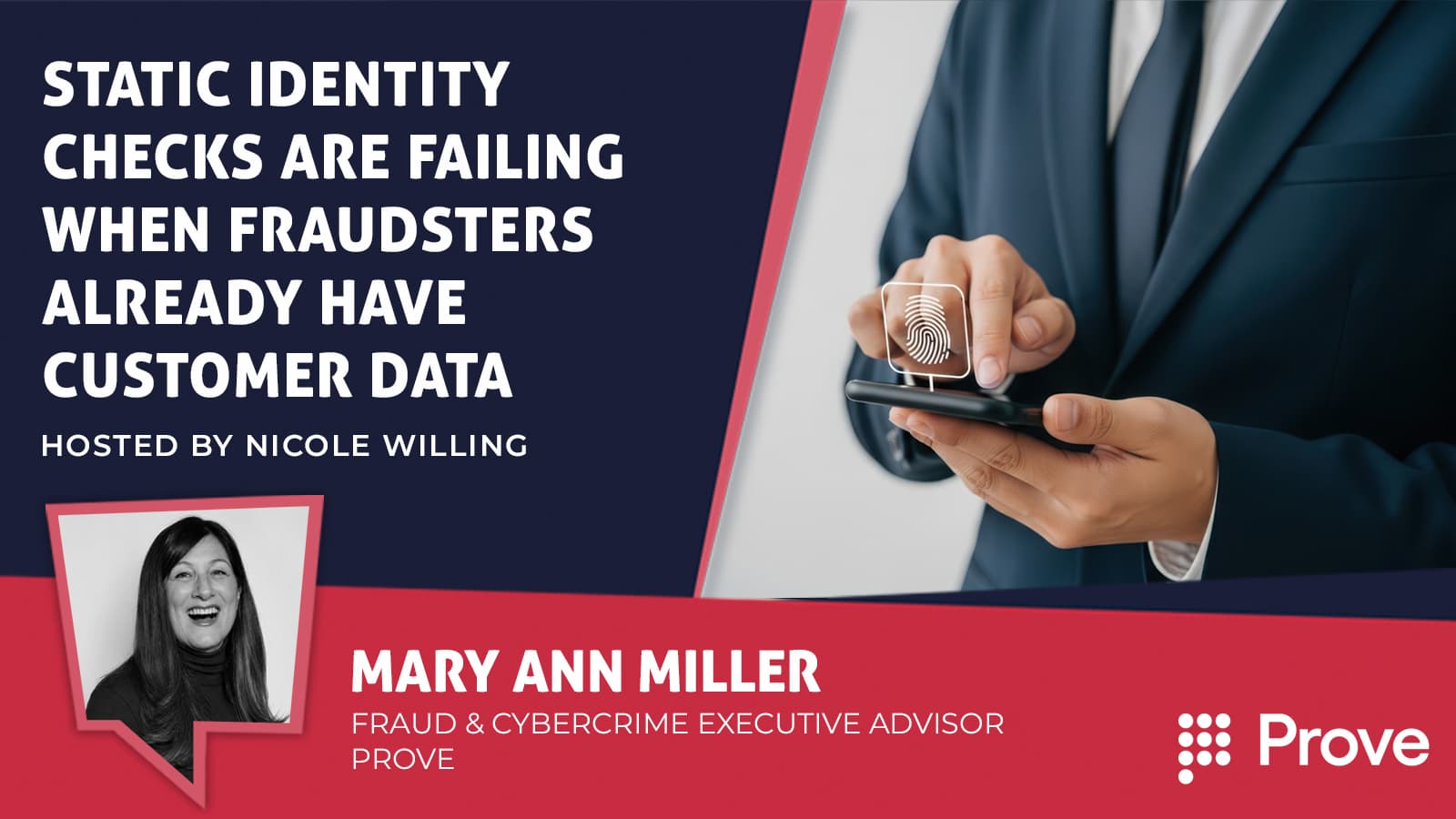
When Stolen Identity Data Turns Your Next Customer Into a Fraudster

14 Oct 2026
same beat · CX TrustWhat ASOS, AI Agents and 400+ Vulnerabilities Reveal About CX Risk10 Oct 2026same beat · CX TrustWhy ServiceNow Says AI Agents Demand a New Security Model7 Oct 2026