the voice of customer experience technology
Front page
NewsRevenue Tech25 Sept 2025 · 1 min read

Salesforce Launches MuleSoft Agent Fabric to Tackle ‘Agent Sprawl’ in Enterprise AI

Clients of the new service include Barco, Rush University System for Health, Wynn & Encore Las Vegas, and r.Potential

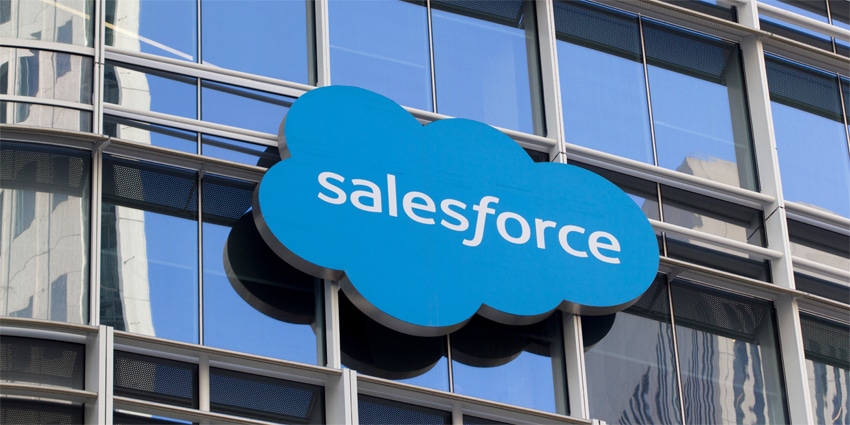
San Francisco, California, USA - Feb 8, 2020: Salesforce logo is seen on the Salesforce Tower at its headquarters campus in the SoMa district of downtown San Francisco, California.

Salesforce has launched MuleSoft Agent Fabric, a new tool designed to help enterprises manage the growing number of AI agents being deployed across their organizations.

The solution, part of Salesforce-owned MuleSoft, provides a single platform to register, orchestrate, and monitor AI agents across multiple vendors.

In a nutshell, the solution is intended to combat “agent sprawl,” where disconnected bots and automations create compliance risks and operational inefficiencies.

Customers including Barco, Rush University System for Health, Wynn & Encore Las Vegas, and r.Potential are already using the tool.

“As AI agents become critical in processes that drive our day-to-day business operations, governance and transparency are non-negotiable,” said Joris Diependaele, Head of Integration and AI at Barco.

MuleSoft Agent Fabric provides the guardrails we need to adopt AI responsibly and securely, without slowing down innovation.

“We can retain control over the infrastructure and also leverage our existing ecosystem to build our agentic future,” added Karthik Palani, Senior Manager Eng & Integrations at Wynn & Encore Las Vegas.


The platform combines a registry of agents, an orchestration broker for multi-agent workflows, governance features for security/compliance, and a visualizer that maps agent interactions.

An Agentic Influx

The launch comes as enterprises increasingly embed AI agents into customer-facing operations. By offering governance and visibility, Agent Fabric aims to help businesses scale AI without falling into data silos, security gaps, or compliance issues.

In regulated sectors such as healthcare and financial services, those capabilities could be critical if AI is to be trusted.

rate this story
helps rank stories across uc today
The discussion0 takes · attributed & checked

Does this reflect your experience?

opening the room…
Read nextordered by techtelligence · every pick explained
same beat · Revenue Tech

Zeta Marketing Platform Integrations: What’s Native, What’s API-Based, and What Depends on Partners?

24 Sept 2026
matches this topicSalesforce’s Claudeforce Deal With Anthropic Points to What Comes After the CRM UI27 Aug 2026matches this topicMarc Benioff Maintains "There is No SaaSpocalypse" as Salesforce Argues AI Models Need Software27 Aug 2026