For years, the contact center has been measured by a narrow set of benchmarks: average handle time, occupancy, and tickets closed per day.
They’ve long served as a shorthand for efficiency. But as AI reshapes the way service is delivered, these metrics are starting to look outdated.
When you strip away everything surrounding a customer service interaction, what it really boils down to is whether or not the customer gets their issue resolved. That’s what people really care about.
It doesn’t matter whether it’s in person, by phone, by email, or by chatbot – resolution is key.
This point was raised by Adrian McDermott, Chief Technology Officer at Zendesk, in a recent interview with CX Today.
“A successful outcome for our customers is just having their issues resolved. That’s why we’re evolving our pricing from seats to resolutions,” he said.
In fact, Zendesk Insights from July 2025 shared that 48% of CX leaders identified adopting outcome-based or flexible pricing aligned with successful resolutions as a high priority for 2026.
The shift from companies like Zendesk to outcome-based rather than activity-based measures is becoming a key talking point across the CX landscape.
In the modern contact center environment where AI agents can respond instantly, never tire, and provide seemingly infinite capacity, metrics like ‘time to first response’ and ‘average handle time’ start to lose their edge.
As McDermott puts it:
“Time to first response is effectively zero since customers expect near instant resolution. Average handle time? Who cares, because it’s basically free to have AI talk to your user as long as they’re enjoying it.”
From Metrics to Resolution
While McDermott’s comments could be misconstrued as championing AI replacing humans, he is quick to point out that the rise of automation doesn’t mean human agents are going away; it means that their roles are being redefined.
With AI handling Tier 1 and much of Tier 2 interactions, frontline teams are freed to focus on higher-value work, such as escalations, VIP cases, or interactions that require more understanding and empathy.
“Automation does drive escalation,” McDermott explains.
“Despite automation you’re going to see contacts where people become frustrated or just want to talk to a human. That makes omnichannel integration incredibly important.”
For enterprise leaders, this means rebalancing performance management.
Yes, metrics like average handle time and after-call work still matter for human-powered interactions. But at an aggregate level, success is increasingly about the speed and quality of resolutions – whether driven by automation, agents, or a combination of both.
Why Unification Matters
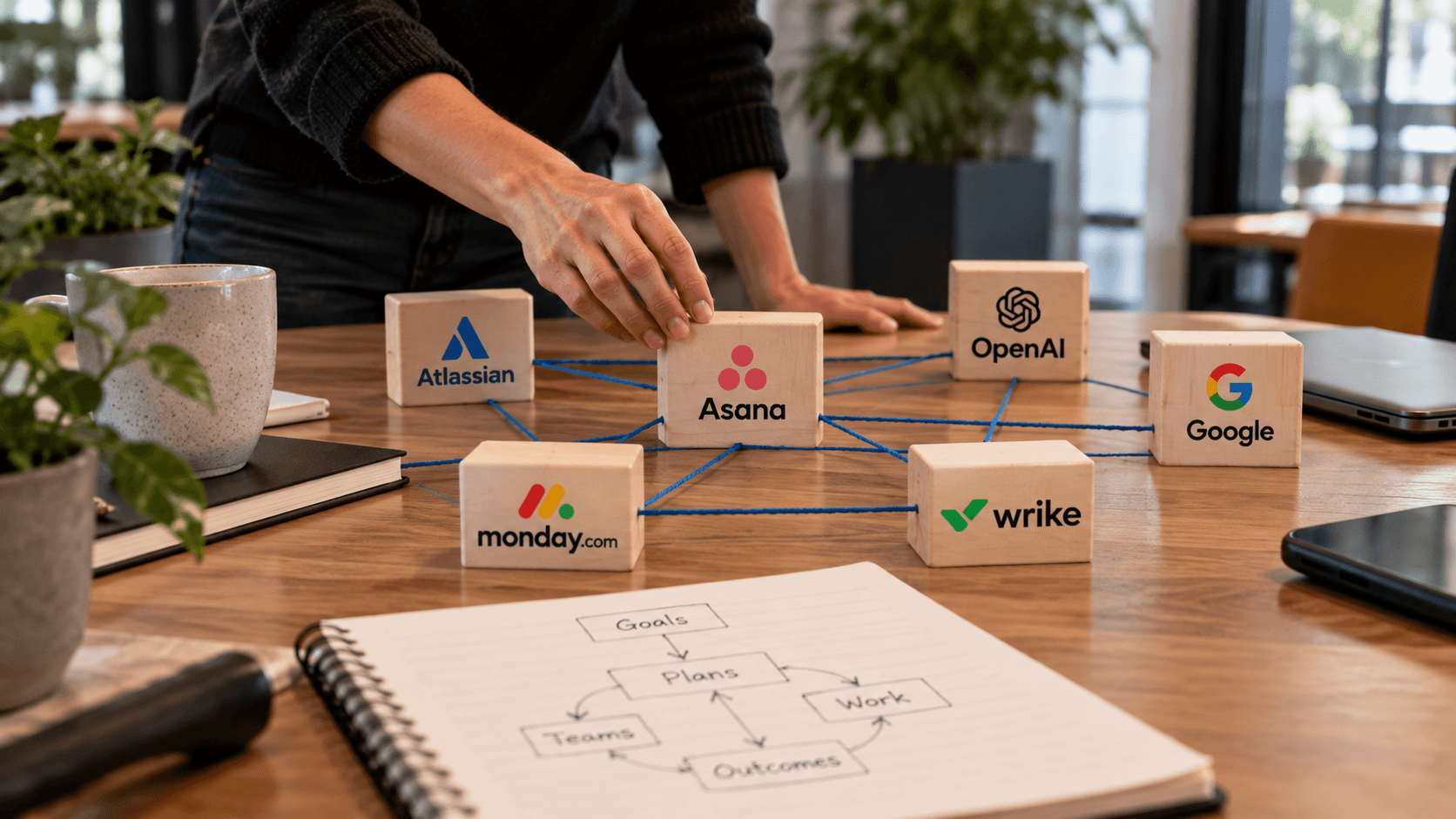
This shift towards outcomes also shines a spotlight on another enterprise challenge: tool sprawl.
Many contact centers still rely on separate systems for email, chat, voice, and ticketing – a setup that breeds inefficiency and disjointed experiences, as McDermott explains:
“If I’m using a different tool for email than I am for voice, it becomes jarringly obvious to the customer. It’s a high-friction interaction.”
This is where unified platforms enter the conversation.
Rather than orchestrating workflows across multiple systems, unification offers a single environment where channels, analytics, and AI are embedded end-to-end.
The result is smoother customer journeys and a far simpler experience for agents.
“Modern platforms shouldn’t take weeks and $10,000 just to change an IVR message,” McDermott adds.
“With a single omnichannel implementation, you can envelope agents and supervisors in one workspace, put your customer vision into the software, and create a unified view across every channel.”