
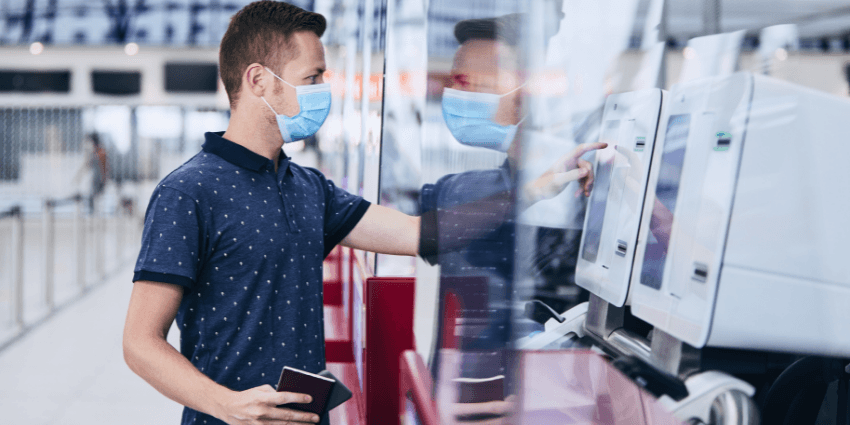
The transportation sector is ripe for a CX overhaul. Research indicates that the sector’s rebound in a post-pandemic landscape will be marked by digital transformation and the strategic use of technology. More than 3 in 4 respondents in a recent survey said that touchless technologies and biometrics will soon be used to verify passenger identity, while 74.8% are looking forward to greater use of self-service. So, what are the prominent areas of self-service application in transportation?
We can narrow it down to five broad use cases.
- Self-service management of shipping transportation
In addition to public transport, private vehicles, travelling and commuting, commercial shipping for consumer products, make up a huge part of the transportation industry. Self-service can aid the management of shipping and logistics processes, with tools empowering end-customers, intermediary logistics hubs, suppliers, sellers, and other stakeholders on the value chain.
- Self-service ride-sharing options
This has emerged as among the most popular use cases for self-service in transportation. Ride-sharing applications empower customers to choose a vehicle as per their preferences, available time slot, and pricing decisions, with myriad options to finetune the customer experience. These applications adopt a self-service approach to customer support as well, addressing the lion’s share of queries through bots and chat, with only a few complex issues sent to live agents.
- Self-service controls in leisure transportation planning
Transportation during holidays or when vacationing is another promising area of self-service implementation, as it requires a unique combination of multiple transportation channels, ticketing services, public and private vehicle booking, and route decisions. Here, transportation self-service can be bundled with self-service in hospitality to deliver comprehensive travel, transportation, and tourism (TTH) CX.
- Self-service to reduce health risk for passengers
Self-service portals for passenger transportation channels like the city bus network, the tube, railways, and airlines, can significantly reduce health risks arising from the use of shared services. Self-service kiosks powered by voice commands can be used for ticketing, while biometrics aid the verification of passenger identity without any need to touch the surface or interact with a live transportation agent.