
According to a 2021 Customer Contact Week (CCW) report, nearly 60 percent of customers state that their experiences with brands have either not improved or become worse since the pandemic.
Such a statistic begs the question; how can brands compete in the market and deliver superior CX to customers? Building a unified customer experience could provide an answer.
Defining a Unified Customer Experience
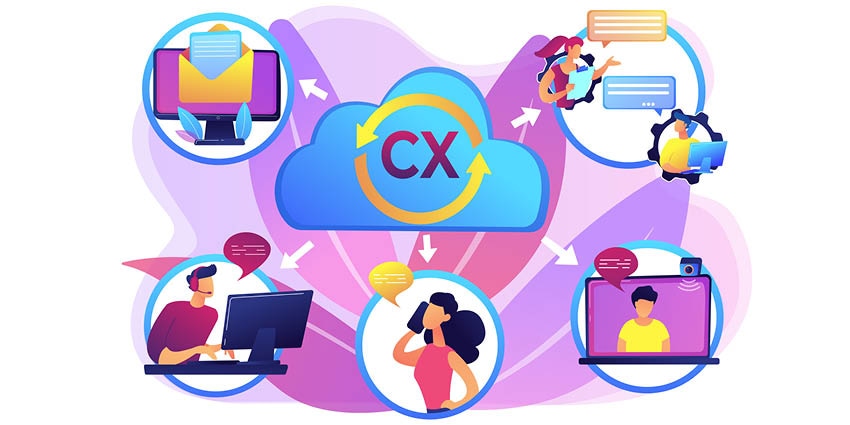
A unified CX ensures that every experience reflects a single brand identity, no matter which channel the customer chooses – whether that is self-service, the phone, social media, etc.
The customer should enjoy an experience that contains the same messaging and elicits a similar emotional response through every channel.
Designing customer journeys by adhering to customer promises or an experience delivery vision is one technique for creating unified experiences. Yet, there is much more to it than that.
Benefits of a Unified CX
There are several reasons why organizations choose to invest in unified customer experiences. Here are three excellent examples.
1. Fewer Frictions for Customers
When customers switch between channels and receive the same information, companies reduce the chance of confusion that elevates to frustration.
Also, if the company governs experiences with a cohesive brand identity and a set of customer promises, it instills confidence in the brand identity.
2. Access to More Customer Data
Unified experiences require different departments to pull in the same direction behind critical customer objectives. As such, they can collaborate more, with many choosing to create a central data lake.
In doing so, they can connect the data platform with a CRM and build unified customer profiles, which ensure that context travels with customers as they navigate their experience.
3. Greater Context for Contact Center Agents
To ensure that customers receive the same information – no matter their channel – agents should receive contextualized information sourced from multiple touchpoints on each customer.
Typically, such info filters into a central CRM system, which agents can access regardless of which channel they manage. Meanwhile, reps should all work from the same knowledge base to ensure consistency of messaging.
Technologies Needed for Unified Customer Experiences
Technically, it is possible to build unified customer experiences through an existing multichannel stack, integrating channels, and manually configuring data models.
However, there are a few technologies that make it easier to implement a unified CX strategy and speed up ROI:
- A Customer Data Platform (CDP) builds a single source of data by aggregating information from multiple enterprise integrations and channels, delivering insights to different platforms
- A Customer Experience Platform (CXM) collects customer insights through surveys and various analytics tools to spot CX inconsistent that the business may rectify
- A Composable Digital Experience Platform (DXP) allows users to develop every aspect of CX individually through experience design, content management, knowledge sharing tools and more
- A Contact Center as a Service (CCaaS) solution enables integrations between various channels, paving the way for an omnichannel contact
How to Deliver Unified Customer Experience
Here are the five steps to remember when designing unified customer experiences.
1. Build a Coherent Brand Identity
A coherent brand identity is the cornerstone of unified CX, ensuring that experiences across platforms do not become fragmented or vastly different from each other.