Providing excellent customer experience (CX) is the holy grail of business. When a company gets it right, the benefits are transformative: happy customers are repeat customers. Repeat customers post positive reviews. It’s a circle of satisfaction that attracts new customers. At the end of the day, positive CX creates and sustains successful businesses.
These days, a lot of it comes down to investing in the best-placed technologies. Customers across all industries expect seamless, friction-free interactions, especially when they reach out to the contact center or log in via the website.
Their pain tolerance is low, while their expectations are high, especially regarding security and privacy. Customers assume that the business has taken precautions to keep their information safe. And a data breach can forever sour a customer relationship. Many companies simply can’t afford the consequences.
Banks are especially aware of how easy it is for cybercriminals to steal passwords and account information. And a huge part of a bank’s attention focuses on preventing fraud and protecting customers who are continual targets for cybercrime.
Moreover, IT managers fight a constant battle to prevent and detect fraud. But the challenges are two-fold: setting up security measures on the backend while minimizing customer frustration on the front end.
Biometrics Increases Security While Improving CX
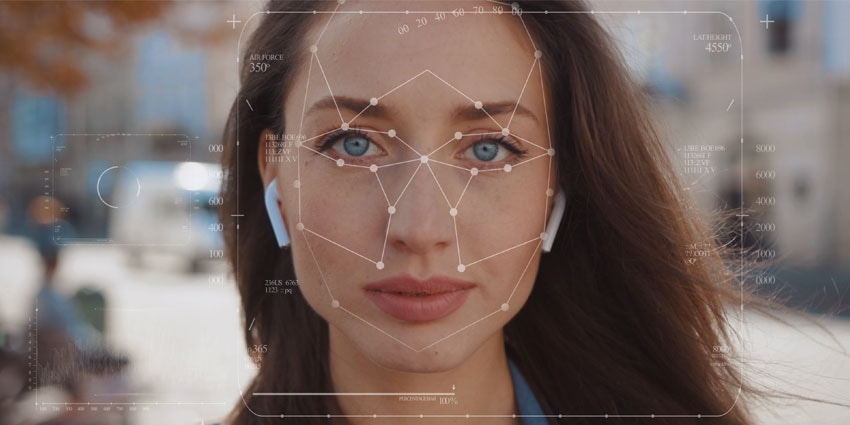
Biometrics is becoming a reliable way to verify personal identity. And it’s challenging to hack. Better still, it can streamline CX.
Using measurement and analysis of an individual’s unique physical or behavioral characteristics - such as fingerprint or voice patterns - biometrics makes customer interactions more convenient while achieving security compliance.
Convenience is crucial but not always easy to deliver. Biometrics could well be the way to achieve that and keep everyone safe.
Customers want to access account details, resolve problems, and make purchases. They want it now, and companies must balance CX needs with protecting their systems and customers. It’s no easy feat. But making it too hard for a customer to interact with you only defeats the purpose.
Two-factor authentication strategies and other security updates are a step in the right direction. But cybercriminals never sleep. It’s all too likely that they’ll eventually overcome these methods – or make relentless attempts to do so.
They will breach security protocols to access passwords and usernames online. They may also steal a customer’s email address or phone number when they receive a confirmation code for a log-in.
Biometrics bypasses this problem. It’s much harder to steal a person’s unique voice print, fingerprint, or eye scan than to steal a password and account details with a Man-in-the-Middle (MitM) attack.
In addition, with biometrics, customers don’t have as many complex security steps, like remembering passwords or "key phrases". They simply provide their biometric details. Unlike passwords, your biometric identity can’t be lost or forgotten.