

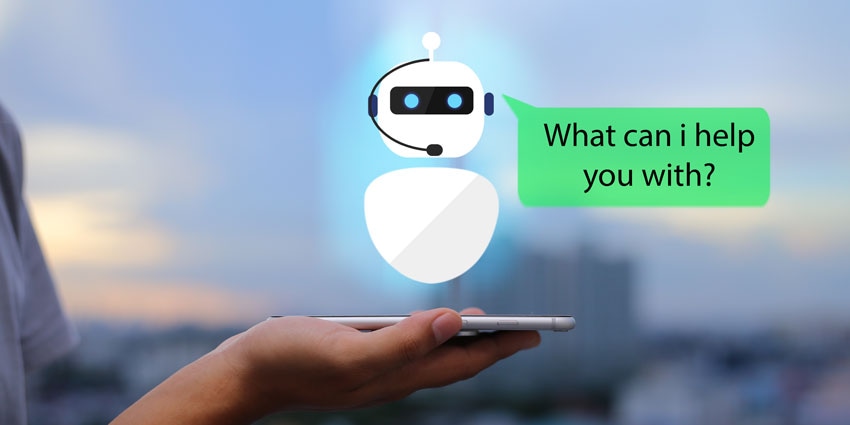
In today's fast-paced business world, automation is a crucial tool for businesses that need to keep their organisation running at record pace. Chatbots can be a valuable addition to the customer service environment, offering an easy way to automate the process of answering common consumer questions. However, it's challenging to know what kind of voice these bots should have, and how much they should be expected to imitate their human counterpart.
Sometimes, customers want the personality and naturalness of a human-like bot, that makes them forget (partially) that they're talking to a machine. However, your consumers also don’t want to feel as though they're being tricked by your organisation. That's what makes voice in AI such a complicated moving target.
The technology available for chatbots today is evolving at a rapid pace. Bots are becoming increasingly capable of mimicking human speech and emotion, meaning that companies can easily implement conversational aspects into their bots. The question is, how far should we take those human elements in a bot environment?
Preserving Consumer Trust in the Age of Chatbots
Businesses that attempt to pass a chatbot off as a human agent aren't being transparent. This means that overly human speech from your chatbot could lead to problems with your customer relationships, no matter how good your intentions might have been.
Today's chatbots come with a range of personality options to choose from. Brands of all sizes are beginning to explore the space between a bot that answers questions with nothing but facts and data, and a machine that imitates human sympathy, humour, and gratitude. Through natural language understanding and natural language processing, bots are now more capable of recognising the complexities of human language. Developers need to consider how to use these features carefully to give their bots a sense of humanity, without leaving their customers to feel hoodwinked.
It's incredibly frustrating for today's consumers to spend the majority of a conversation online thinking that they're talking to a human, only to discover later on that they've been talking to a bot. People tend to be more forgiving of bots that aren't as in-tune with human nuance than they are of bots that attempt to replicate human language poorly.
If today's organisations aren't transparent about when and how they're using chatbots to supplement the customer service experiences, they could lose the loyalty that they've been working so hard to earn.
Knowing When to "Humanify" Your Bots
As with most things in the customer experience environment, the key to successfully using human elements with chatbots could be in figuring out how to interpret the context of a conversation. For instance, if a bot is helping a client to choose the life insurance they need for their family, then you probably don't need to add in humour and emojis. On the other hand, if your chatbot is helping users to select makeup from a new range, it's fine to add a bit of fun to the conversation.