

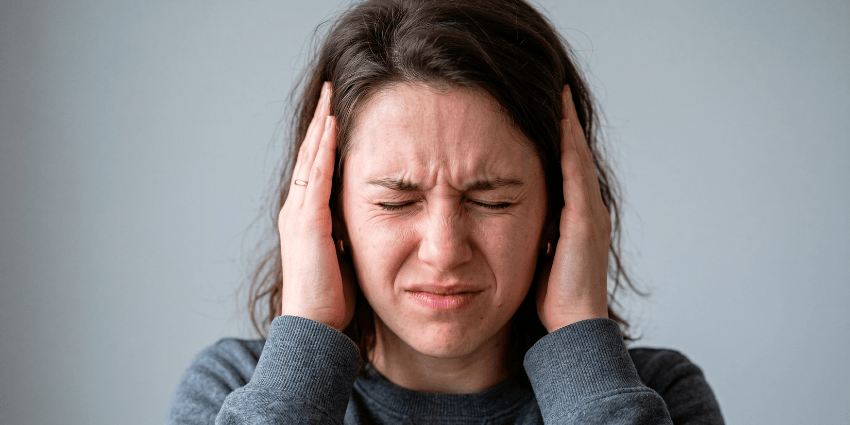
Order anxiety is emerging as a hidden problem in quick service restaurant experiences, affecting how customers make decisions at the point of purchase.
In fact, Global Payments' Order Anxiety report found that 29% of consumers say ordering at a quick service restaurant is more stressful than public speaking.
For CX leaders, failing to address this pressure means leaving significant revenue untapped through reduced spend, lower exploration, and missed repeat visits.
Speaking with CX Today, Andy Grindstaff, Director of Enterprise Product at Global Payments, discussed how customer expectations and misaligned operational design are shaping the modern restaurant experience.
"I think what you're seeing from restaurant customers is that they want things to be easy and seamless," he explained.
"I think in the restaurant space, it's easier to add than take away."
Your Good Intentions Are Creating Bad Experiences
The common assumption that hesitation in the ordering experience is simply the fault of indecisiveness or a consequence of large customer preference.
In fact, many restaurants can pinpoint the problem to a design issue that creates unnecessary cognitive load, making it harder for customers to make decisions in the moment.
With almost a third of consumers reportedly experiencing high levels of QSR anxiety, nearly half say the biggest source of stress is the line of people waiting behind them, while 64% say they are very or extremely aware of other customers waiting as they place their order.
With the increased time and social pressure fuelling order anxiety simultaneously, these common drivers of decision fatigue can directly affect current and future purchasing behaviors.
As restaurant operators attempt to tackle this issue by expanding menus and offerings to appeal to broader audiences, the unintended consequence of this complexity accumulates.
"In the restaurant space, it's easier to add than take away, so you start to see menus bloat," noted Grindstaff.
"That drawback can be overwhelming in the ordering experience."
This directly contributes to business performance, as the 29% of customers experiencing order anxiety are unlikely to accept inconveniences within a restaurants control.
"If you have slower speed of service, you got longer lines," he continued.
"And if there's longer lines, at some point the data shows people just don't come, right?"
When ordering anxiety becomes a direct CX and operational efficiency issue, the experience is likely to deteriorate as revenue opportunities disappear through reduced capacity and abandoned visits.
During these high-pressure social expectations in ordering, more customers are likely to avoid exploring the menu as 60% of consumers say they default to their usual order when they feel rushed.
As a result, more restaurants are losing customer attention with limited offers and add on's as more choose to 'play it safe' with the fastest option possible instead of looking for these deals.
Today, modern consumers are facing extreme digital and physical content overload, meaning when restaurant environments add to this pressure, this poor design can lead to unintentional amplified anxiety.