It's an omnishambles out there
Enterprise call volumes are not declining, despite multi-million-pound investments in self-serve technology, conversational AI, and the addition of channels like WhatsApp. The multi-social-omni-everything approach is just not working. Indeed, looking at a sample of 8 billion calls, at best, call volumes have plateaued. The spurious vendor claims of 10 to 20% OpEx reduction never materialised, and the addition of channels has only increased complexity.
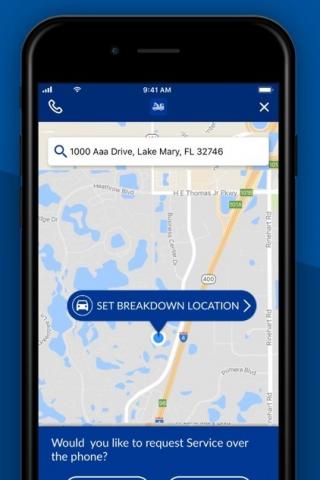
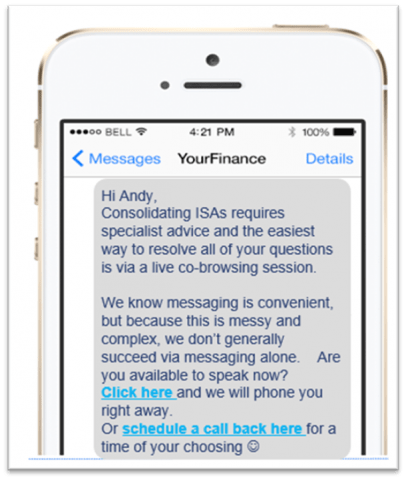
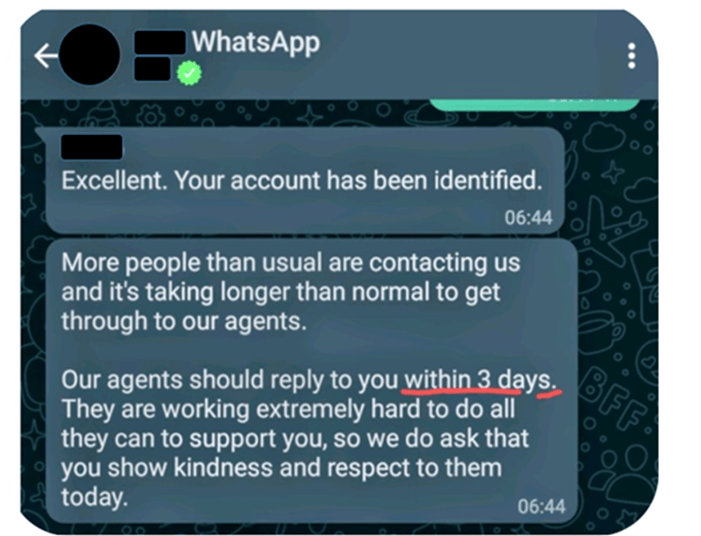
You've all heard the vendor-propagated rhetoric, "Meet the customer in their channel of choice?" Well, how well is that working out for you? Not so good, eh? Do you really want 2,000 customers reporting they have no heating via a Facebook comments section? Or banking customers reporting fraud via LiveChat when you know they must phone to resolve? Or perhaps 3-day wait times on your new WhatsApp installation? One global consumer goods company receives an incredible 6% of all customer queries via its LinkedIn page!
I'd assert the creation of separate "digital teams" that bolted on additional contact channels has made things worse. Worse for both the enterprise and the consumer.
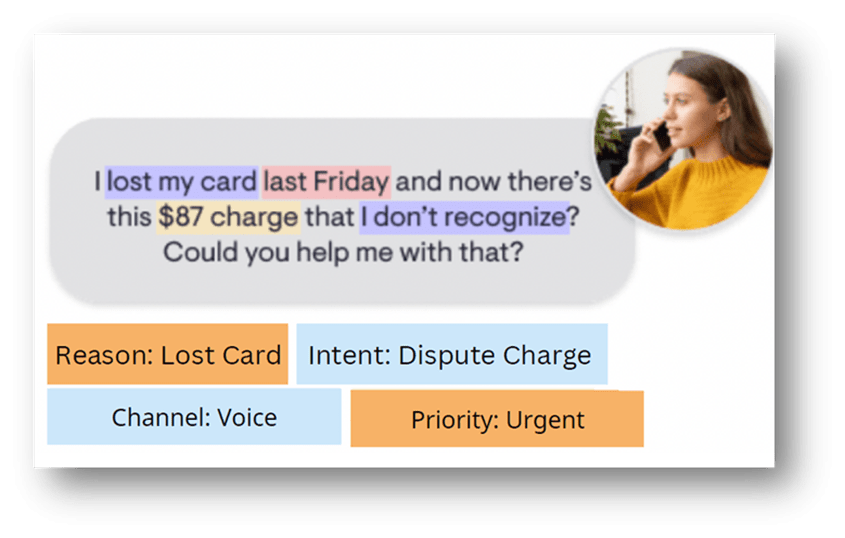
Due to the frequent failure of conversational AI efforts and the Death of Live Chat, enterprise firms now see the voice channel as the biggest opportunity to drive efficiencies via automation and self-serve deflection. But initial efforts are slow, tentative, and not generating significant returns.
The disconnect between the voice, omnichannel, and chat virtual agent systems means there is huge duplication of work, and until these silos are aligned, there is an inability to design functioning seamless journeys.
The rise and fall of Voice AI
We are about to witness the rise and subsequent failure of conversational Voice AI over the next 3 to 5 years. The intent of this paper is pure. As well as being a cathartic exercise, it shares the emerging approach being taken by a few firms that are leveraging a new breed of AI-powered conversation intelligence and AI-triage tools. Especially as they ramp up for Voice AI.
Don't worry; this is not a thinly veiled whitepaper. In fact, it's quite the opposite. To prevent the anticipated onslaught of badly designed Voice AI installations, this paper offers real-world case-study insights to provoke and challenge your thinking and, hopefully, help drive call containment and improvements in your digital deflection and Voice AI efforts.
Not all intents are equal or resolvable
A tier-1 bank was struggling to deliver any ROI from its conversational AI and live chat investments. On closer inspection, the bank had 180 pre-determined IVR telephony disposition codes; just 120 intents within its conversational AI platform, yet over 480 self-serve journeys online. None of them were linked up. The impact of this disjointed approach was severe.
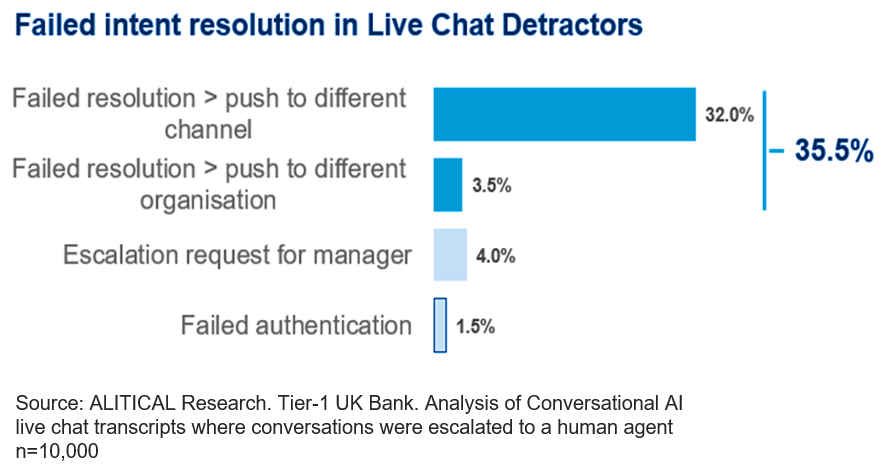
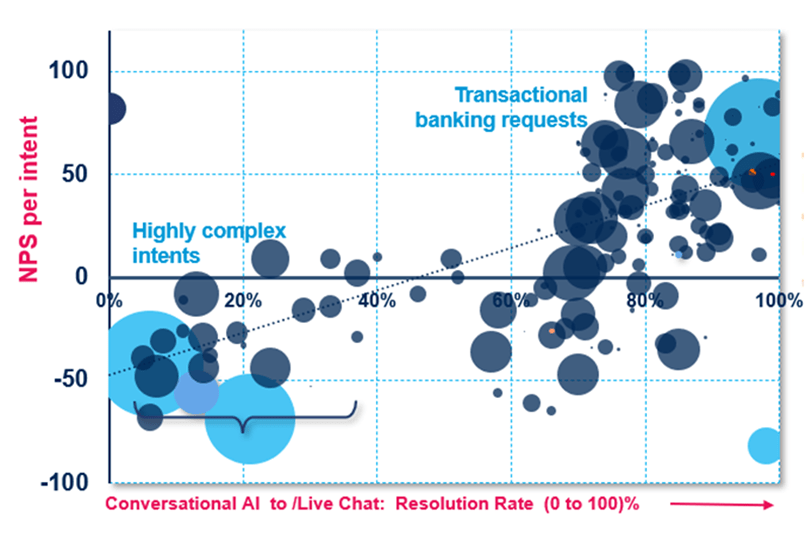
Digging into the minutiae, it was clear that 35.5% of NPS detractors were unable to have their intent resolved on live chat. Ever. Intents like reporting fraud, ATM disputes, and direct debit indemnity requests cannot be resolved via human agents on this channel. Moreover, complex queries like consolidating an ISA (a bit like a 401K) are too complex for even human live-chat agents.
...over one-third of NPS detractors are caused by a failure in contact strategy and conversation orchestration.
This means that over one-third of NPS detractors are caused by a failure in contact strategy and conversation orchestration. This isn't an artificial intelligence problem; it's a lack of intent-level intelligence and badly designed contact triage and routing.
Looking at the IVR disposition codes, you see that 37.92% of inbound telephony involves the customer reporting a problem. However, the chatbot /conversational AI team appeared to be unaware of these data. Indeed, one digital lead made a point of calling the in-house Verint telephony analysts, "The analog team."
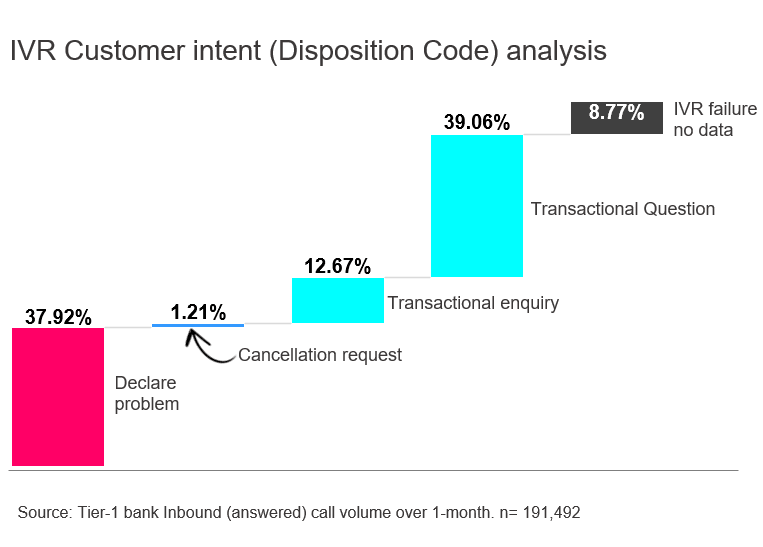
Upon deeper analysis, it turns out there are over 50 intents (dispositions) that cannot ever be resolved via the conversational AI route, even when escalated to a live human agent,
Banking on self-serve
The bank determined that 51.73% of its 14 million inbound calls could be deflected to a pre-existing self-serve journey (the transactional banking queries above). Also, it needed to create 1,200 intents to accurately identify all inbound customer contact across all channels (as opposed to 120 intents today). The most powerful step was aligning the naming convention across every channel. This is something termed unifying the customer contact taxonomy and is perhaps the most overlooked step today in conversational AI implementations.
The disconnect between the IVR telephony, self-serve and digital teams was so severe that the bank's vision of seamless journies and becoming a leader in 'conversational banking' was impossible to realise until these silos were aligned.
...unifying the customer contact taxonomy is perhaps the most overlooked step today.
It's also very important to discuss the "containable" intents when discussing containment. That is, don't include the intents that can never be resolved via a bot. The bank is targeting 20% of "containable" intents on inbound telephony. That is, 20% of the 51.73%, which 'should' equate to approx 1.4 million calls per year being deflected to an existing self-serve journey.
So how can this insight be applied as a template for transforming your operation? Well, it's time to go back to the fundamentals of mapping customer intents for all contact channels.
Rethink your approach to digital deflection, self-serve, and automation
A brand-new AI-driven approach to intent clustering and classification is proving to be the key to success at a select number of enterprise firms. This case-study-based article describes how they explore and curate intent taxonomies and topics to help build long-term digital transformation strategies and roadmaps. To ensure that automation, deflection, and Voice AI initiatives succeed, leaders should pursue the following three strategies:
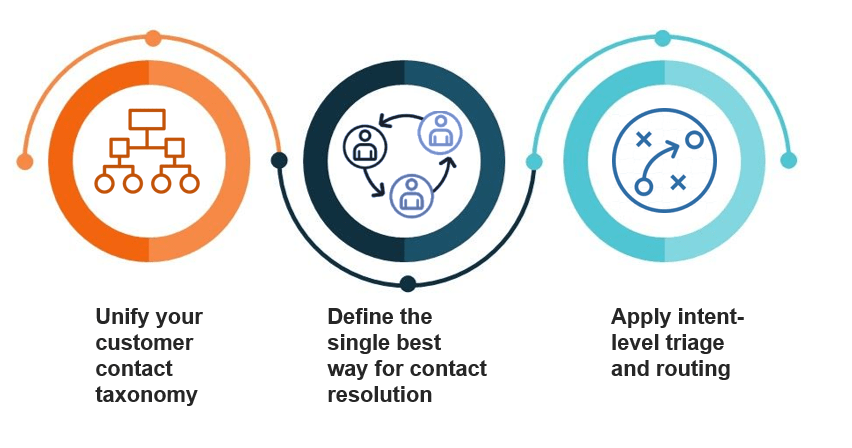
1. Unify your customer contact taxonomy
Unifying and creating one taxonomy for all customer intents is the bedrock for seamless customer journey design and getting customers to the single best place for resolution. This list must span every channel. The emerging technology (and your saviour) here is the AI-powered intent mapping tool. These tools strip out all the noise from the analysis of voice and chat conversations and automate the creation of an intent taxonomy.
Unifying and creating one taxonomy for all customer intents is the bedrock for seamless customer journey design.
This is a revolutionary step away from gleaning caller insight from your pre-programmed IVR menus. There may be multiple, complex intents in a single utterance. And the complexities of inbound contact are not reflected in the deterministic, IVR flow; one that was probably mapped out over 10 years ago.
The new breed of intent mapping tools offers incredibly advanced techniques that were previously the domain of Ph.D. data scientists. Leaders can convert a mass of data into structured hierarchies /taxonomies that scale across workspaces.
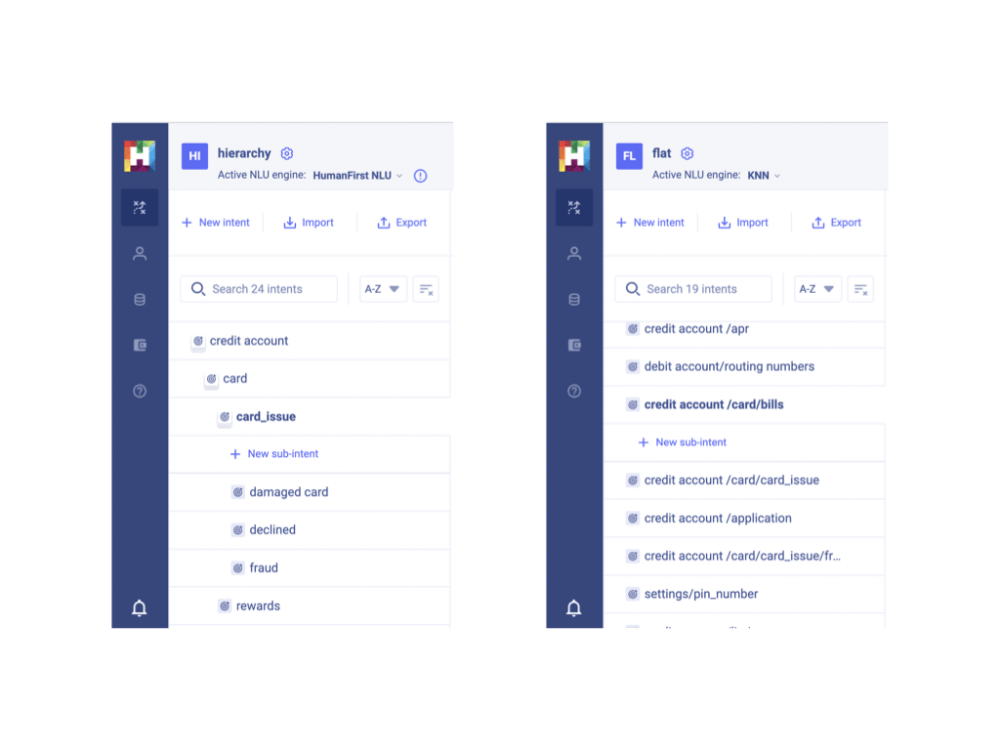
For the avoidance of confusion, in this context, taxonomy is a fancy term for a list. A list of intents. But a list that has a hierarchy of main intents and then nested (sub) intents. (I'm a biologist by trade, and sometimes these overly verbose terms creep in)!
Here's a great example to show the type of tool available and the user interface:
Harness the insights, align the silos
The foundation for any voice automation and deflection approach is understanding intent-level resolution and satisfaction across voice and text for all channels. Before you decide what to automate, you must understand the minutiae.
Below is a sample output from an intent-level mapping exercise. Both resolution rate and NPS (customer satisfaction level) were analysed from 10,000 live chat transcripts at a tier-1 bank. Understanding what can be pushed to self-serve and what intents require immediate escalation to a live human was a pivotal step in planning the self-serve and automation strategy.