

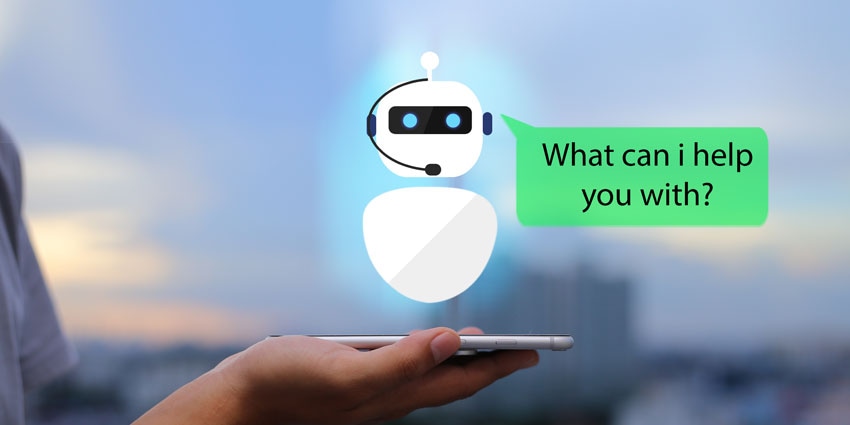
As consumers become more demanding, requiring more immersive and personalised experiences from companies in an always-on environment, it's becoming increasingly difficult to deliver great CX alone. Human beings can't be there for clients 24/7, and they don't have the background knowledge or expertise to answer every possible question a consumer could have without a little help.
Fortunately, the age of digital transformation has given today's customer service agents access to a new form of assistance in bots, chatbots, and other automated solutions. The trouble is, there are so many different kinds of "bot" on the marketplace today, that it's easy to get confused. How do you know the difference between a bot and a chatbot, and how do you determine what kind of technology your business needs?
Defining Robots and Bots
Let's start by looking at the term that "Bot" comes from - Robot. The definition of a robot is somewhat diverse, with many different people offering their own unique insights. Some people define robots as devices that automatically perform repetitive and complex tasks - such as robots in an assembly line that build cars and other devices. Other organisations define robots as machines that resemble living creatures. These tools might be capable of moving independent, performing complex actions, or imitating human behaviour.
While the nature and complexity of a robot may differ depending on the definition that you look at, it seems as though one thing always remains the same. Robots are physical objects that are designed to execute a physical job. This isn't the kind of automation that you'll generally need to support today's customer service strategies.
Instead, what most customer contact centres are looking for are "bots." According to Merriam-Webster, bots are computer programs that automatically perform repetitive tasks. Like a robot, these devices are designed to automate the actions that take up human time and energy each day. However, the difference is that a bot can be made entirely out of software, with no physical hardware at all.
Bots aren't a new concept in the digital world. Search engines like Google have been reliant on bots for years to help with analysing content and indexing the web. In this case, bots can make it easier to track and organise information, often moving at a faster pace than any human is capable of.
So, What's a Chatbot?
If a bot is an automated tool designed to complete a specific software-based task, then a chatbot is the same thing - just with a focus on talking or conversation. Chatbots, a sub-genre of the bot environment, created to interact conversationally with humans. These devices can automate the process of interacting with visitors on the web, as well as social media followers and SMS clients too. In the age of customer experience, chatbots make it easier for companies to provide 24/7 service to even the most demanding customer.
Chatbots are also very useful at making the research part of the buyer journey easier for customers. They act as an interactive kind of FAQ where customers can get responses to common questions. Chatbots hold an essential role in today's customer service environment because they're valuable sources of information and guidance. They can even help customers to book consultations and meetings with product managers and advisors.
Crucially, chatbots aren't the same as a virtual assistant. Although chatbots can be very useful for today's consumers, virtual assistants are pieces of digital software that specifically help individuals perform daily tasks. An example of a virtual assistant might be something like Siri or Amazon Alexa. Using text or voice commands, you can access your virtual assistant to schedule appointments, make calls, and set alarms. Customer service agents can also use assistants to collect information that helps them to deliver better experiences to customers.