If you’re familiar with the concept of speech analytics, you’re probably also comfortable with the idea of text analytics. Otherwise known as “text mining”, text analytics involves feeding huge amounts of written content into an AI system, to effectively track trends and useful information.
Text analytics can offer better insights into customer expectations and sentiment during live chat conversations or SMS discussions. It’s also fantastic for managing conversations translated into text via speech-to-text technology.
So, which part of the AI landscape does text analytics belong to? Is this solution involved with Natural Language Processing, or is NLP all about voice?
Text Analytics and NLP Technology
Data-driven companies have been looking at text and written data for years to get better insights into their audience. Text mining identifies relationships, facts, and assertions that would otherwise remain buried in the big data environment. Once you know how to detect and extract this information, it can be fed into an algorithm that allows for actionable business insights.
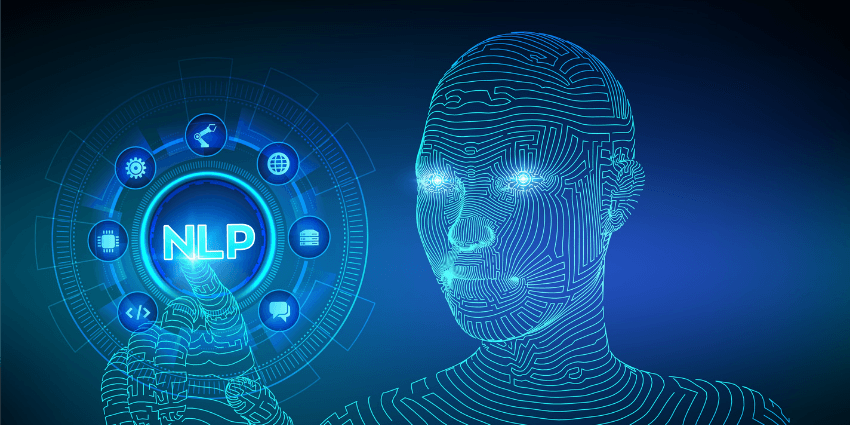
Natural Language Processing, or NLP, is a tool companies often use to leverage the best benefits from text analytics. AI tools equipped with natural language processing can read text or listen to speech and understand the human interactions within that data. These tools can adapt to understand a variety of languages and sort huge portions of information into different segments based on trends, customer sentiment, and other KPIs.
Natural language Understanding helps machines to understand the context within the words and conversations they encounter. This can further lead to natural language generation, where bots use the information gathered from text to create spoken responses to clients. You might have witnessed technology like this in AI IVR systems. These tools use a combination of speech and text understanding to function.
Is Text Analytics Connected to NLP?
While NLP doesn’t have to be involved within text analytics programs, it’s a common way for businesses from different backgrounds to leverage more meaningful information from the data gathered.