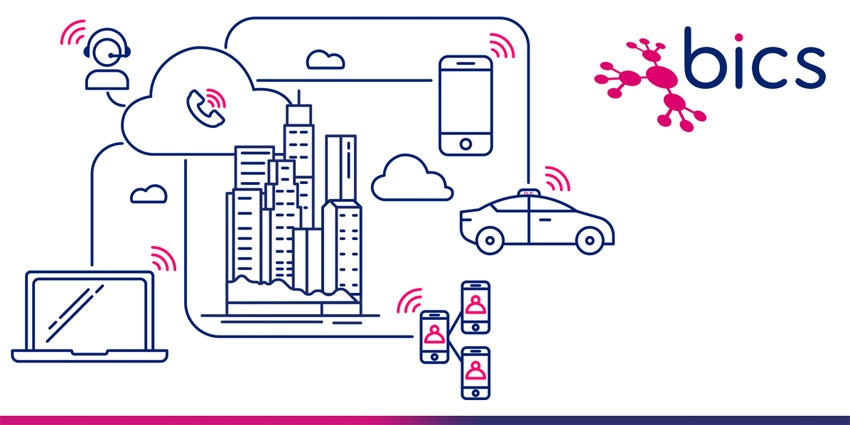
Your customers are everywhere today. That’s not only true geographically, with pretty much every business now embracing online service delivery and customer service, even if they didn’t already. It’s true digitally as well, with a more diverse range of channels in use than ever before to communicate with brands.
Just as businesses have had to embrace new online solutions, consumers too are growing in sophistication when they manage conversations across multiple platforms and devices, flipping effortlessly between different media as they communicate with friends. With this being the new normal, it should come as no surprise when they demand the same quality of experience when interacting with brands, too.
Your friends remember what you were Whatsapping about last night when you speak to them on Zoom later, and they also view that within the context of your entire relationship and what you mean to each other. So, when you contact a business, for support or service, shouldn’t you expect the same?
Making every user journey unique
Going beyond personalisation, contextual communication takes account of the nuances of each channel and what the consumer’s underlying intent may be — whether they’re making a warranty claim, praising you on social media, or engaging a ride share service on a native mobile app — enabling support staff to provide a hyper-appropriate response, meeting the customer where they are in their own choice of communications medium and unique user journey. Businesses implementing digital transformation cannot bolt this kind of engagement on as an afterthought, it needs to be intrinsic to their cloud communications strategy — removing the data silos and user friction between the different channels and making sure all communication is documented and archived to enable future cross-referencing.
BICS’ heritage in global network connectivity provides a simplified and accessible route to implementation of contextual communications, incorporating virtual mobile or fixed numbers, voice, messaging and more — via flexible and customisable APIs, which simplify client deployment as much as the UX for their end customer.
Making it look so simple on the surface
As Divya Ghai Wakankar, Head of Innovation and Product Management at BICS explained, “service providers and enterprises looking to offer the next generation of consumer engagement must choose their cloud communications provider carefully.