Customers come in a variety of shapes and sizes.
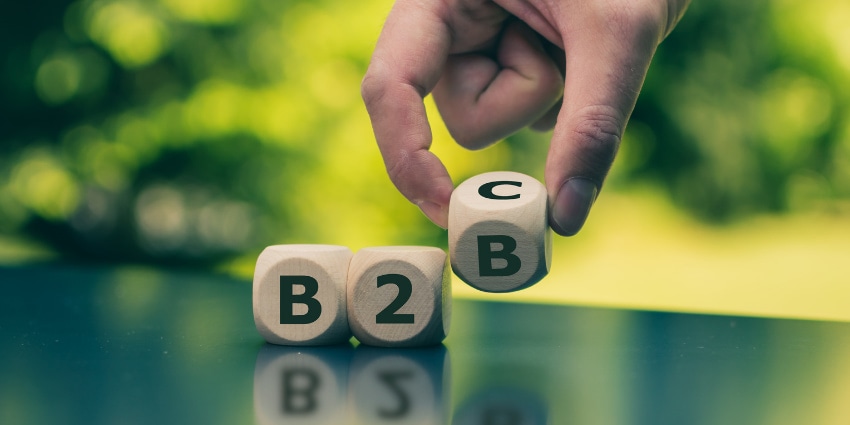
This means that customer experience can come in a range of formats too. One of the easiest ways to differentiate customer experience strategies is to look at who your end customer is. If you’re focusing on consumers, then you need a B2C strategy. If you’re looking at selling to other businesses, then you’ll be focused more on B2B.
There is some overlap between B2B and B2C consumers in the modern landscape. For instance, regardless if you’re selling to a business or consumer, you can rest assured that your target will want an easy and streamlined purchasing experience, excellent support from a customer service team, and personalised interactions that are tailored to them.
Here’s what you need to know about B2B and B2C CX in 2021.
B2B and B2C Groups Want a Lot of the Same Things
The foundations of an excellent customer experience often remain the same for both consumers and businesses. When a company buys a product from another brand, they still want the simple, low-effort transactional experience that they would expect as a customer. This often means that they also expect omni-channel engagement strategies that allow them to purchase through any channel and convenient strategies for things like payments and deliveries.
Both customers and businesses also expect that the buying journey should be tailored to your needs. If you’re selling to a standard consumer, you’d use tools like CRM solutions and customer engagement strategies to determine what will make the experience more immersive for your customer. This might mean providing your customer with month-by-month payment structures for big purchases or offering package deals on multiple products.
The same strategy applies to your business consumers. B2B brands know that you have the tools required to understand their needs, predict their expectations, and deliver customised results. With things like AI tools and data analytics, you can even map out the whole purchasing journey for your B2B or B2C clients.