

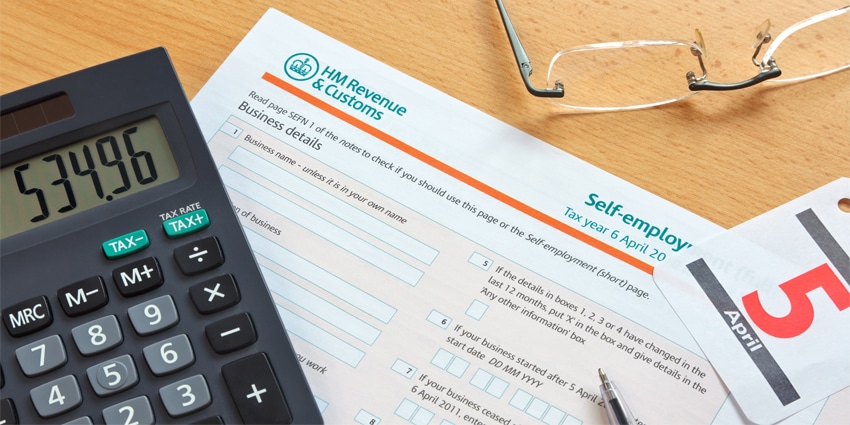
Having yesterday announced that it will be closing a key customer helpline for six months of the year, HMRC has backtracked almost immediately – stating that it is “halting its plans in response to the feedback.”
Beginning this year, the initial announcement would have seen the closure of the self-assessment tax form helpline between April and September.
In an attempt to encourage more customers to use digital services such as chatbots and online forms, the changes would also have seen the VAT helpline reduced to five days a month and the PAYE helpline no longer available to discuss refunds.
Following the announcement, HMRC faced widespread criticism, with the Federation of Small Businesses stating on X that the removal of phone services would “turn simple tax queries into huge headaches” and would “leave many firms in the lurch.”
Conservative MP and Chair of the Commons Treasury Select Committee, Harriett Baldwin, was also quick to denounce the changes, commenting:
“It is a great shame that HMRC have decided now is the time to essentially close down any avenues for people to contact them over the phone for huge parts of the year … These are well-meaning people just trying to get their taxes right.”
The outcry was significant enough to force HMRC to backtrack less than 24 hours later, with Chief Executive, Jim Harra, releasing the following statement:
We’ve listened to the feedback and we’re halting the helpline changes as we recognize more needs to be done to ensure all taxpayers’ needs are met, whilst also encouraging them to transition to online services.
But, with it being reported last month that HMRC customer service was at “an all-time low,” what can the governmental organization do to address what are sure to be continued issues?
A Digital Dilemma
The decision for customer service departments to scale back phone channels is not remotely new.
With the advancements in chatbot and self-service technologies in recent times, it is natural that it would lead to less resources and emphasis being placed on phone services, and more brands prioritizing digital channels.
And, while the severity of HMRC’s telephone customer service cuts are a rarity, there are previous examples that suggest it may be the start of a growing trend.
Interestingly, it appears that the travel sector is something of an outlier in this customer service strategy, with Frontier Airlines making the decision to completely remove its telephone support line in November 2022 – forcing customers down digital channels when they have a problem.
The decision means that online chat is the sole method for customers to interact with human agents.