The manufacturing landscape is a broad environment, home to everyone from sustainable energy companies to producers of major healthcare technology. Sometimes, the CX strategies implemented by companies in this sector don’t just improve customer relationships, they can also help organisations in making the world a better place.
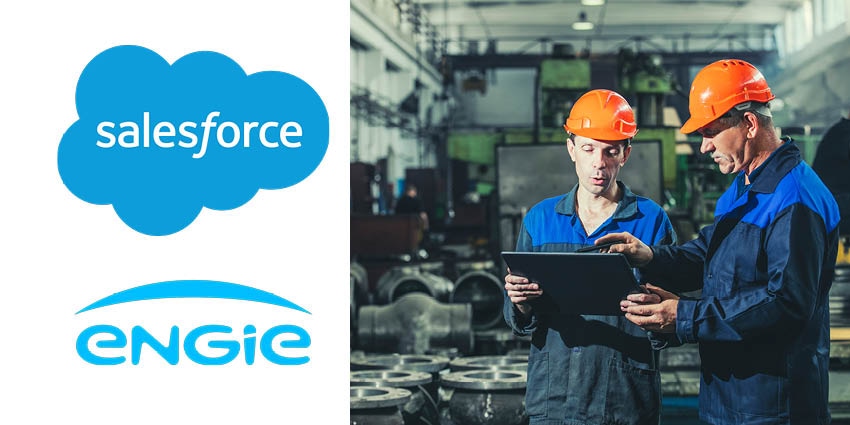
When leading energy and manufacturing brand, ENGIE decided it was time to do its part in delivering a zero-carbon future, they knew they needed the right CX tools to drive results. By implementing CX technologies, ENGIE ensures it can help its customers reduce their own carbon footprint.
CX tools allow team members to provide personalised advice on the kind of renewable energy, smart technology, and energy-efficient solutions each client might leverage. With help from Salesforce, ENGIE has been able to successfully build its brand-new business model of “zero carbon” solutions as a service – making the world a cleaner, more sustainable place.
Let’s take a closer look at how ENGIE and Salesforce are working together.
Building the Perfect Customer Service Strategy
French manufacturing company, ENGIE, decided in 2016 it was time to eliminate any business processes which weren’t sustainable in a zero-carbon world. One of the pioneers in the clean energy movement at the time, the brand chose to focus more of its business operations on solutions capable of saving the planet and reducing energy waste.
With the rise of this new strategy came a new business model “Zero carbon transition as a service”. According to the CEO of ENGIE, Isabelle Kocher, the new mission of the brand homed in on supporting global, innovative, and tailor-made solution needs of customers making the transition to a more energy-efficient landscape.
A Salesforce customer since 2010, ENGIE has a long-standing relationship with the leading CRM and sales company. Salesforce was a clear choice for the company’s technology needs when it began to introduce the new zero-carbon business model, as it could offer a 360-degree view of each customer.
With Salesforce, ENGIE can effectively track and understand customer journeys across more than 70 countries. By gathering information on a regular basis, the company can create services specifically tailored to the needs of its diverse audience.
Making a Revolutionary Idea Successful
According to Isabelle Kocher, the team believed the future of energy began with a new commitment to decentralisation in energy production, digitalisation, and decarbonisation. These concepts have only grown more relevant over the years. With the introduction of zero-carbon transition as a service, ENGIE had a revolutionary idea and value proposition. However, the company also knew it needed tools that were just as revolutionary to make the concept a success.
Building on an existing investment in the Salesforce environment, ENGIE decided it needed a common customer relationship management system capable of supporting the global needs of individual customers in their ecosystem. The Customer 360 platform from Salesforce was the obvious choice, according to Kocher, as it allowed the company to maintain a completely client-centric and global approach with their operations.
Ensuring continued client-centric operations was a significant focus point for ENGIE. They believed the only way to deliver suitable solutions to companies making their transition into more sustainable processes, was to go bespoke. By understanding a client’s energy usage, the ENGIE team could better determine the best way to sustainably reduce it.