CRM, Customer experience, and business growth are all connected today.
The rapid digital transformation of the world as we know it has given way to an entirely new generation of consumers. These buyers, both in the B2B and B2C world, are more informed, selective, and demanding than ever before.
They expect companies to understand their needs and deliver personalized, convenient, and efficient experiences on every channel. Around 66% of customers say they want every company to understand their needs and expectations clearly.
Adhering to the changing needs of a new breed of customers requires companies to invest in more than just innovative contact center platforms. They must also empower agents to deliver exceptional experiences with CRM customer experience tools.
CRM vs. CX Software: What’s the Difference?
For many companies, the boundary between CRM customer experience tools and “CX” as a concept is blurry. Both images deal with how customers perceive your brand and how you interact with, engage, and nurture your audience.
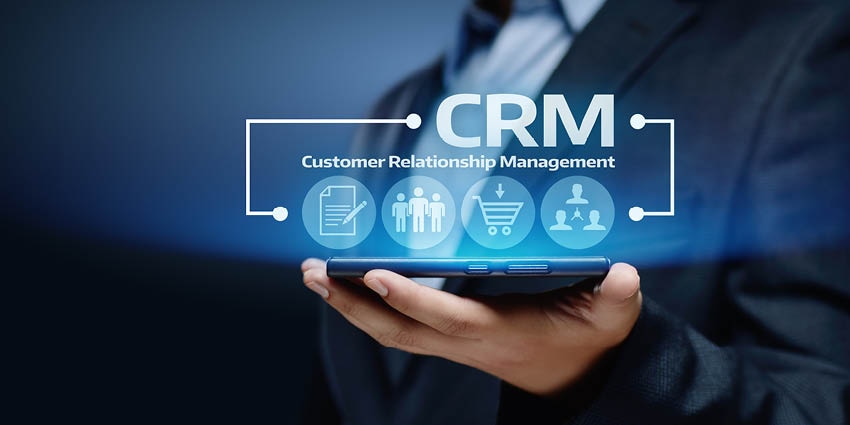
However, CRM, or Customer Relationship Management software, is a specific tool designed to help companies invest in their CX initiatives. CRM solutions allow businesses to track customer experiences, react to issues, and provide relevant services based on past behavior.
CX, or “Customer Experience,” is a little more conceptual. Excellent “CX” is a goal customers strive for by implementing the voice of the customer, journey mapping, CRM, and analytical tools, among other things. While CRM software is a type of customer experience tool, it’s just one of the resources businesses can use to adhere to and surpass customer expectations in a complete CX strategy.
The key to success in today’s experience-focused marketplace is finding a way to unify CRM solutions with the rest of the CX strategy. Flexible toolkits, APIs, and integrations allow companies to leverage their CRM throughout the customer journey.
With a comprehensive CRM Customer Experience strategy, companies can take advantage of critical consumer data, build intelligent, personalized plans for service, and empower agents.
What is CRM Customer Experience Software?
CRM, or Customer Relationship Management software, is a digital tool that empowers companies to collect and use information gathered about the customer lifecycle. It can provide insights into common pain points, customer preferences, and buyer personas.
CRM (Customer Relationship Management) technology has become a vital tool for companies of all sizes over the last few years. CRM solutions are powerful tools designed to help organizations strengthen their consumer bonds, generate repeat purchases, and improve lifetime value.
Demand for CRM software has increased. The CRM market is projected to reach $145.79 billion by 2029, thanks to rising investments in customer experience.
8 Reasons to Buy CRM Customer Experience Software
Today’s customers demand intuitive, personalized experiences tailored to their needs.
CRM software, combined with a comprehensive CX strategy, can help businesses adhere to their target audience's expectations. It allows companies to take a proactive approach, anticipating and catering to customers' future and current needs by stepping into their shoes.
Here are some of the best reasons to invest in CRM customer experience software today.
1. Improve Your Customer Journey Mapping
Mapping the customer journey is the first step to understanding how to support your audience proactively and consistently on every touchpoint and channel. CRM customer experience tools come with features that help brands understand their customers.
You can use mapping tools to monitor touchpoints, use tags and labels to manage contacts, and even segment groups based on their behaviors and demographics. CRM solutions can also help pinpoint the customer journey's friction points and highlight new growth areas.
They can show customers' channels for service, sales, and product research. They also provide a complete end-to-end view of how customers interact with employees and what strategies increase sales, retention, and loyalty.
2. Build Better Relationships with Customers
The core purpose of CRM software is to help companies improve their relationships with customers, strengthen loyalty, and reduce churn.
CRM solutions don’t just give companies the tools to track customer journeys. They can also help agents and professionals reach consumers at the ideal moment. Many CRM customer experience tools come with features for email and SMS automation. This allows teams to automatically connect with agents about order statuses, updates, and more.
Some solutions even feature AI tools that help teams to suggest products to customers based on their preferences, remind them of upcoming subscription renewal dates, and more. By integrating the CRM with the contact center, companies can align customer contact and experience management in one environment.
3. Create More Personalized Experiences
CRM solutions are excellent for personalizing the customer experience. They can gather information from customer interactions with companies across various channels, from voice to email and chat. This data can create more personalized sales, service, and marketing campaigns.