
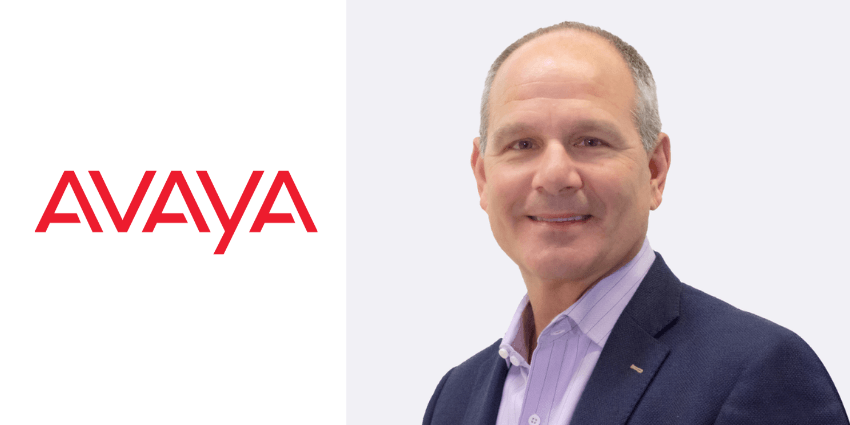
After a disappointing quarter which saw revenues decline 21 percent year on year, Avaya has refreshed its top leadership, bringing on board industry veteran Alan Masarek.
He replaced former boss Jim Chirico, who had been at Avaya 15 years.
Masarek has been tasked with turning the fortunes of the communications giant around, amid financial pressures and an ever-changing technological landscape.
“I have a particular interest in trying to drive technical transformation, driving companies to the cloud. And I think there's a great opportunity to do that here even more aggressively than they've done,” said Masarek.
“Any large job like this, you’re sort of drinking off the firehose,” he added. But he is undeterred, buoyed by Avaya’s technological assets:
“The assets are remarkable. They're irreplaceable. In our lifetimes, we could not create something as significant as what Avaya has today.”
So what is in store for Avaya, and how will Masarek leverage its extensive technology portfolio to bring the company back to growth?
Avaya Will “Do Less, With Less”
“We're making changes in the cost structure. My goal is that we produce free cash flow in fiscal [year] ‘23,” said Masarek, adding that this cash will create adequate liquidity to invest in Avaya’s technology roadmap.
Regarding the potential job cuts, Masarek said that “it's not about cutting in areas that are important. I'm not asking you to do more with less, not asking you to do the same with less, I’m actually asking you to do less, with less.”
“We're trying to eliminate areas of duplication. You might have similar functions staffed in IT, in services, and in the software products. It just lends itself to being brought together. In the past, it was just too overly siloed, you had redundant costs, and those silos worked less effectively together.”
“Innovation Without Disruption”
Avaya’s transition back to growth will not be an easy one. A large part of its customer base is comprised of large enterprise customers, who might not be as receptive to disruptive cloud transitions.
Masarek acknowledged that while not all businesses were ready to go transition fully to a public cloud, they should at least have a clear plan on how to get there.