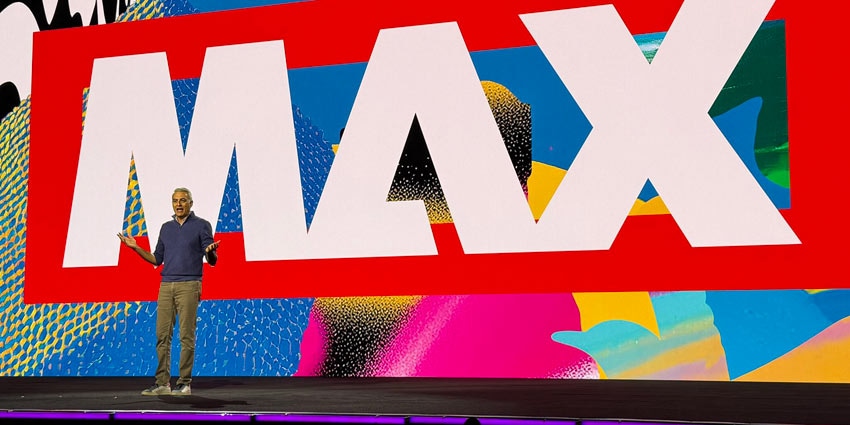
Adobe MAX is the tech giant’s annual celebration of creativity.
This year, Adobe again did an excellent job of building immediately usable, applicable, and contextual AI tools into the solutions marketing, creative, and experience teams use every day.
As a result, its innovations don’t necessitate that teams do more work to get AI to work. The focus centers on ensuring AI is embedded, accessible, and risk-free.
More on that last point later. But, before getting into the top takeaways, here are the headline announcements from Adobe Max 2024.
- A New Video Firefly Model – After tackling images, vectors, and text, generative video is now part of Adobe’s portfolio with a beta model available within the Firefly web app.
- Project Neo – Also in beta, this web app allows designers to develop and edit 3D graphics before pushing them into Illustrator to support everyday design workflows.
- 4th-Generation Frame.io – The upgrade streamlines flows across creative teams, from camera clicks and recordings to campaign launches.
- A GenStudio for Performance Marketing – Now generally available, the GenStudio offers a single, self-serve app for creating, managing, and actioning ads, banners, emails, and more.
- Lightroom Enhancements – Generative Remove is now generally available. Meanwhile, a new Early Actions feature that recommends edits is in preview.
Behind each of these headlines is a broader strategy. The following three takeaways dive deeper into this, getting under the bonnet of the flashy floats of innovation Adobe released during its creative, fun-filled festivities.
1. Brand Safety Comes to the Fore
Adobe must continuously balance the desires and ambitions of individual, wildly creative artists with enterprise requirements and demands for guardrails.
That’s critical. Just consider a situation where an enterprise designer asks a generative model to create an image of someone drinking from a “cool-looking” bottle of soda.
If that model is trained on every single bottle out there, the model may produce something that looks just like a Coca-Cola bottle.
However, if that brand is not Coca-Cola, it categorically cannot use that bottle.
Sharing this example, Liz Miller, VP & Principal Analyst at Constellation Research, highlights how businesses must start to consider more closely: how are these models trained? Where is that training data coming from? And what are the rules and ethics behind it?
Thankfully, Adobe is going further to support its customers in ensuring brand safety.
"Adobe has made it crystal clear that it doesn’t use their customers’ data to train their models," noted Miller during a LinkedIn Live session.
They also make it very clear that if an artist indicates that they do not want to have their artwork and materials used for any training models, they have that option.
Additionally, Adobe has established a Content Authenticity Initiative that allows creators to attach their name, social media information, and derivative sources to an asset. That offers a new level of visibility to everyone involved in the content creation process.
Lastly, the tech giant provides more control to artists, designers, photographers, videographers, IT, and marketers to set their own guardrails so they know precisely what their work is trained on.
They can also sell original creations to Adobe, which will then use those to train its models.

2. AI Becomes "Non-Destructive"
The most damaging drinking game in the world is to take a shot every time someone mentions “AI” at a tech conference in 2024. After a matter of minutes, the paramedics will arrive.
Yet, few vendors talk about when AI goes wrong. That sometimes happens, and brands know it.
As such, these businesses worry that - as they experiment with AI, interrogate their data, and automate processes - they will magnify inefficiencies and do the wrong things faster.